
Early Reservations — Inca Trail to Machu Picchu 2027 — Book Now!

Secure your spot →
Classic Inca trail – 4 days

Classic Inca trail – 4 days

$ 689.00 USD pp
Reviews
TripAdvisor Sakura Expedition
Most sold

Classic Inca trail – 4 days

Duration 4 Days / 3 Nights
Group size 8 to 16 PAX
Difficulty Hight
Availability March to January
Departure Cusco
Tour type Adventure
Lugares a Visitar
Piscacucho (Km 82) → Patallacta → Wayllabamba → Warmiwañusca Pass → Pacaymayo → Runkurakay → Sayacmarka → Phuyupatamarka → Intipa → Wiñaywayna → Intipunku → Aguas Calientes → Machu Picchu

Overview

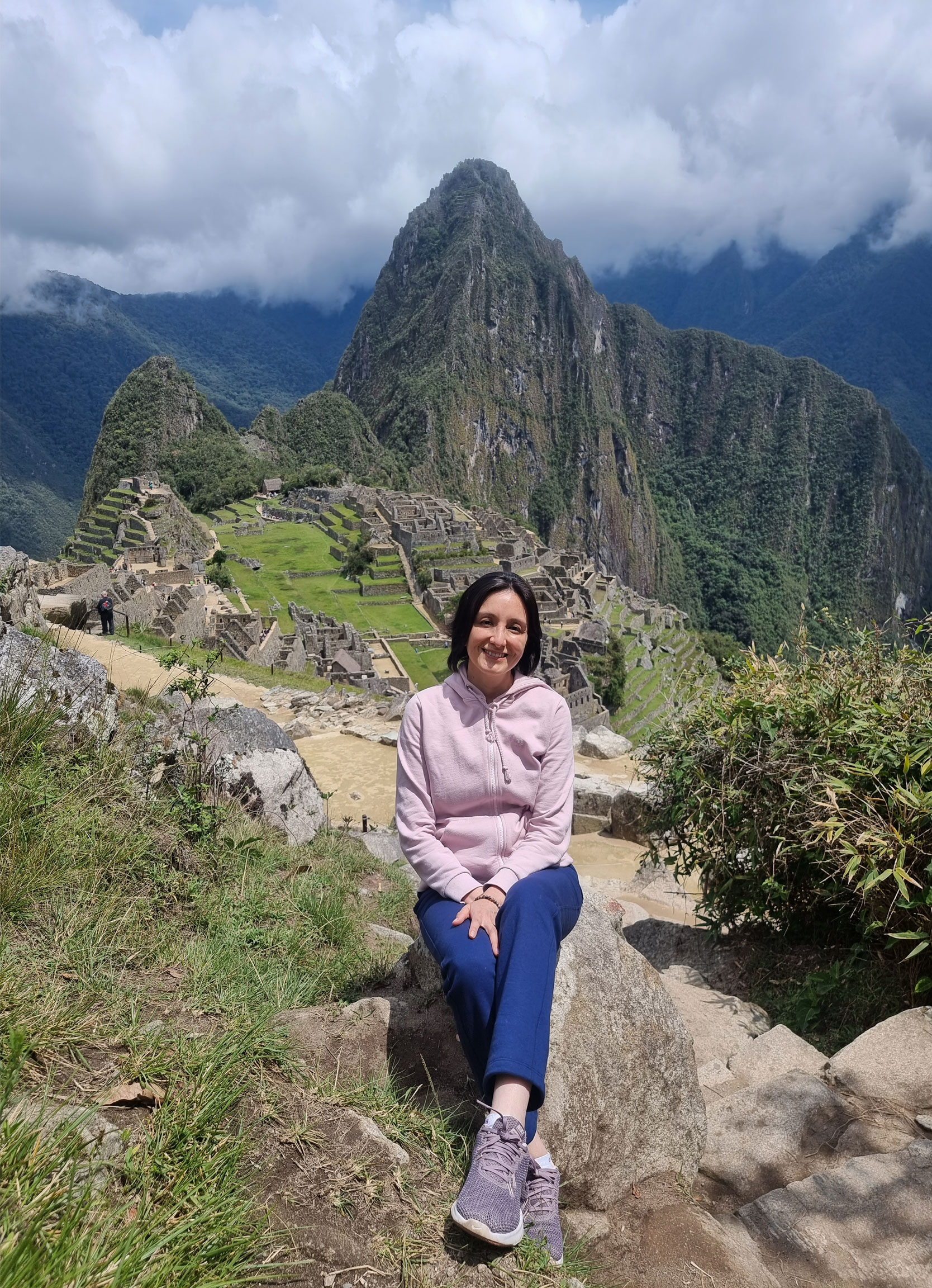
Hiking the Classic 4-Day Inca Trail is a unique journey that turns every step into a deep connection with history, nature, and the Inca legacy. Along this ancestral route, you will discover sacred temples, agricultural terraces, and spectacular Andean landscapes. You will walk through mountains, cloud forests, and ancient trails until you reach the legendary Sun Gate (Intipunku), where Machu Picchu is revealed in all its splendor. This experience is ideal for travelers seeking an authentic, spiritual, and challenging immersion in one of the most famous trekking routes in the world.
 

Availability calendar

Itinerary

Discover what awaits you in the Classic Inca trail – 4 days

The adventure on the Classic Inca Trail begins.

Our first day of hiking through Sacred Valley landscapes, with views of the snow-capped La Verónica and the Urubamba River, up to our first campsite.

  1. Pick-up in Cusco and stop in Ollantaytambo

    By private tourist transport · Cusco → Ollantaytambo

    The tour starts early with pick-up at your hotel in Cusco. In Ollantaytambo we will have time for breakfast and some last-minute shopping before continuing.

  2. Start of the Inca Trail at Km 82

    By private tourist transport · Ollantaytambo → Piscacucho (Km 82)

    We arrive at Km 82 – Piscacucho, the starting point and first checkpoint of the Inca Trail, where we register our entry.

  3. Willkarakay and Patallacta

    On foot · Piscacucho → Patallacta

    We begin hiking along the ancient Inca Trail with views of the snow-capped La Verónica and the Urubamba River. Along the way we visit Willkarakay and reach Patallacta, one of the first major archaeological sites on the route, where our guide explains its history, architecture and role in the Inca road network.

  4. Lunch and first campsite in Wayllabamba

    On foot · Patallacta → Wayllabamba

    We continue to the lunch area and then on to Wayllabamba, our first campsite. On arrival, we will have time to rest, enjoy dinner and get ready for the next day.

Day details

  • Hiking time: approx. 5 hours
  • Distance: 10 km / 6.2 mi
  • Difficulty: Moderate
  • Weather: Warm and windy
  • Altitude: minimum 2,720 m / 8,923 ft (Piscacucho, Km 82) · maximum 3,000 m / 9,843 ft (Wayllabamba)
  • Meals: Lunch and dinner
  • Accommodation: Campsite in Wayllabamba

What is this day like? check our photos

The most exciting challenge of the Inca Trail.

Today we reach Warmiwañusca, the highest point of the Classic Inca Trail, with breathtaking views of the Andes.

  1. Breakfast in Wayllabamba

    At the campsite · Wayllabamba

    We start the day with an early breakfast at the campsite.

  2. Ascent to Warmiwañusca Pass

    On foot, uphill · Wayllabamba → Warmiwañusca

    We climb through different mountain landscapes to Warmiwañusca, Dead Woman’s Pass, at 4,200 m (13,779 ft). From here we enjoy breathtaking views of the Andes and of the whole route behind us.

  3. Descent to Pacaymayo

    On foot, downhill · Warmiwañusca → Pacaymayo

    We descend to Pacaymayo, where a well-deserved lunch and time to rest await us. In the afternoon we can relax in the natural surroundings before dinner and the night at the campsite.

Day details

  • Hiking time: approx. 7 hours
  • Distance: 16 km / 10 mi
  • Difficulty: Challenging
  • Weather: Cold and changeable, with possible wind and rain
  • Altitude: minimum 3,000 m / 9,843 ft (Wayllabamba) · maximum 4,200 m / 13,779 ft (Warmiwañusca)
  • Meals: Breakfast, lunch and dinner
  • Accommodation: Campsite in Pacaymayo

The most spectacular day of the Inca Trail.

We walk through mountain forests and ancient Inca paths, between extraordinary archaeological sites, orchids, birds and other species of the Andean forests.

  1. Runkurakay

    On foot · Pacaymayo → Runkurakay

    After an early breakfast, we reach Runkurakay, an ancient Inca checkpoint strategically located in the mountains.

  2. Sayacmarca

    On foot · Runkurakay → Sayacmarca

    We continue to Sayacmarca, an impressive archaeological complex built on a hillside and surrounded by terraces.

  3. Phuyupatamarca, the “City above the Clouds”

    On foot · Sayacmarca → Phuyupatamarca

    At Phuyupatamarca we admire its terraces, fountains and Inca architecture.

  4. Intipata

    On foot, downhill · Phuyupatamarca → Intipata

    We keep descending along the ancient trail to Intipata, an important agricultural center with impressive terraces on the mountainside.

  5. Wiñaywayna and last campsite

    On foot · Intipata → Wiñaywayna

    We arrive at Wiñaywayna, one of the most extraordinary archaeological sites on the Inca Trail, and explore its agricultural terraces, water fountains and ceremonial buildings with our guide. To end the day, we enjoy tea time and dinner at the campsite, ready for our arrival at Machu Picchu.

Day details

  • Hiking time: approx. 7 hours
  • Distance: 14 km / 8.7 mi
  • Difficulty: Moderate
  • Weather: Warm and changeable
  • Altitude: minimum 2,680 m / 8,793 ft (Wiñaywayna) · maximum 4,000 m / 13,123 ft
  • Meals: Breakfast, lunch, tea time and dinner
  • Accommodation: Campsite in Wiñaywayna

The most anticipated day of our adventure.

We pass through the Sun Gate and reach Machu Picchu on foot, just as the Incas did.

  1. Intipunku, the Sun Gate

    On foot, early · Wiñaywayna → Intipunku

    We get up early to hike to Intipunku, where we get our first panoramic view of Machu Picchu.

  2. Machu Picchu Highlight

    Guided visit on foot, approx. 2 to 3 hours · Circuit 3B

    We descend to the citadel for the guided visit, with time to learn about its history, architecture and main sectors. Afterwards, you will have time to enjoy Machu Picchu at your own pace and, if you have booked the ticket, visit Huayna Picchu or Machu Picchu Mountain, subject to availability.

  3. Down to Aguas Calientes and free lunch

    By bus · Machu Picchu → Aguas Calientes

    We take the bus to Aguas Calientes, where you will have time for lunch on your own before heading to the train station.

  4. Return to Cusco

    By Inca Rail Voyager train and private transport · Aguas Calientes → Ollantaytambo → Cusco

    We board the tourist train to Ollantaytambo, where our private transport will be waiting to take us back to Cusco. We arrive at approximately 10:00 p.m.

Day details

  • Hiking time: 2 hours to Machu Picchu + 2 to 3 hours of guided visit
  • Distance: 5 km / 3.1 mi
  • Difficulty: Easy
  • Weather: Warm and humid
  • Altitude: minimum 2,000 m / 6,562 ft (Aguas Calientes) · maximum 2,680 m / 8,793 ft (Wiñaywayna)
  • Meals: Breakfast

Four days of adventure, history and nature on the Classic Inca Trail, ending at one of the most extraordinary places in the world: Machu Picchu.

Book now »

Includes

Guide, assistance and safety

  • Personalized assistance: Before departure, with detailed information one day before the Inca Trail.
  • Professional bilingual guide (Spanish and English): Licensed for the 4-Day Inca Trail.
  • Porters and professional cook: The porters carry the travel equipment during the Inca Trail.
  • First-aid kit and emergency oxygen tank.

Transportation

  • Private tourist transport: Cusco – Km 82 (Piscacucho).
  • Tourist bus: Machu Picchu – Aguas Calientes.
  • Tourist train: Aguas Calientes – Ollantaytambo, Inca Rail Voyager service.
  • Private tourist transport on return: Ollantaytambo – Cusco.

Permits and tickets

  • Inca Trail entry permit.
  • Machu Picchu ticket: Circuit 3B.

Camping

  • 3 nights of camping: Along the route.
  • Camping equipment: Tents for 2 and 4 people, dining tent, utensils and a basic sleeping mat.
  • Basic hygiene products for the campsite.

Meals

  • Full board: 3 breakfasts, 3 lunches and 3 dinners, with vegetarian options.
  • Daily snack: To enjoy during the hike.
  • Boiled, filtered and cooled water: Available at meals. We recommend bringing a reusable bottle or a camelback.
  • Hot drinks: Coca tea or a hot drink in the mornings and tea time in the afternoon, before dinner.

Added value at no extra cost

  • Duffel bag for personal belongings: Sturdy and light, you receive it at the briefing to pack your clothes, sleeping bag and personal items. Our porters carry up to 5 kg of personal luggage per traveler, sleeping bag included.
  • Boiled and purified water along the trail: From the second day of the hike, so you don’t need to carry extra water.
  • Groups of 8 to 16 travelers: For a more personalized service and an authentic connection with the surroundings and the culture.
  • Professional, highly trained guides: Certified, with experience in high-mountain hikes and in-depth knowledge of the history and archaeology of the Inca Trail and Machu Picchu.

Not include

Meals

  • Day 1: Breakfast.
  • Day 4: Lunch and dinner.

Optional

  • Extra porter, sleeping bag, trekking poles and Huayna Picchu or Machu Picchu Mountain tickets: See rates under Additional services (Prices tab).
  • Tips: Optional.
  • Travel insurance (recommended): For greater peace of mind, we recommend insurance covering flight cancellations or delays, lost or delayed luggage, illness, accidents, trip interruptions, loss of tourist services due to delays, as well as medical assistance and personal protection throughout your adventure.

Unforeseen events

  • Additional costs due to causes beyond the agency’s control: adverse weather, itinerary changes for safety reasons, illness, changes in government policy, political instability, strikes or other similar circumstances.

Prices Classic Inca trail – 4 days

Rates per person

Availability 2026 and 2027: This tour departs every day of the year except February (Inca Trail closure), with advance booking and a minimum of 2 participants.

2026

Adult

US$ 689

per person · minimum 2 people

Book Now »

University student -US$ 25

US$ 664

ages 18 to 25 · US$ 25 discount

See requirements

2027

Adult

US$ 770

per person · minimum 2 people

Book Now »

University student -US$ 25

US$ 745

ages 18 to 25 · US$ 25 discount

See requirements

Traveling solo? The tour is confirmed with a minimum of 2 people. Message us to check availability for your date.

Requirements for the student discount

Accepted

  • Physical university ID card (PVC card)
  • Valid during the year of travel
  • Showing full name, photo, university and expiration date

Not accepted

  • ISIC cards
  • Digital certificates
  • Screenshots

Send a copy when you book.

Payment

Option 1

Full payment at booking

Pay the total when you make your booking.

Option 2

Deposit of US$ 300 per person

Secure your spot; the balance is paid no later than the day before the tour.

Additional services

  • Extra porter 7 kg – US$ 90: To carry your personal luggage during the hike.
  • Extra porter 14 kg – US$ 160: To carry your personal luggage during the hike.
  • Sleeping bag – US$ 20 per person.
  • Air mattress – US$ 20 per person: Thermal sleeping pad.
  • Trekking poles – US$ 15 per pair: Professional adjustable poles.
  • Single tent – US$ 30: Only for solo travelers.
  • Extra night in Aguas Calientes – from US$ 60: Subject to availability.
  • Vistadome train – US$ 67 per person: For the return to Cusco at 4:43 p.m.
  • Huayna Picchu Mountain – US$ 75 per person: Request it when you book your trek.
  • Machu Picchu Mountain – US$ 75 per person: Request it when you book your trek.

No Inca Trail availability on your dates? Don’t worry! We offer alternative treks to Machu Picchu that are just as spectacular and much less crowded, with stunning scenery, visits to local communities and a final arrival at the Inca citadel: Salkantay Trek, Lares Trek, Inca Jungle Trail and the 2-Day Inca Trail.

Packaging list

  • Documents: Original passport, valid student ID (if you are a student), a few copies of your travel insurance and the travel voucher we issue.
  • Essentials: Backpack, sleeping bag, water bottle, some snacks (cookies, candy, chocolate, cereal) and extra money if you want to buy souvenirs.
  • Clothing and footwear: Warm clothes for the nights (thermal jacket, gloves, scarf, wool socks and wool hat), rain jacket and/or poncho, cotton or synthetic clothing (long pants and shorts, socks, T-shirts and underwear), a sun hat, hiking shoes and sandals, and a swimsuit if you want to visit the hot springs in Aguas Calientes.
  • Health and protection: Personal medication, band-aids, anti-inflammatory pills, insect repellent, sunscreen, and skin and lip cream.
  • Personal hygiene: Small towel, toothpaste and toothbrush, soap, shampoo and conditioner, brush or comb, wet wipes, spray deodorant and toilet paper.
  • Other items: Flashlight (preferably a headlamp), sunglasses, camera with extra batteries and memory cards, trekking poles with rubber tips (optional), pocket knife, some plastic bags and a good sense of humor.

Recomendations

  • Book in advance: Inca Trail permits are limited and subject to availability. We recommend booking as early as possible.
  • Acclimatization in Cusco: We recommend arriving at least 1–2 days before the hike to acclimatize. Cusco is located at approximately 3,400 m (11,155 ft) above sea level. To make the most of those days, we suggest tours such as the traditional Sacred Valley or the Cusco City Tour.
  • Check your luggage: Review in advance all the personal items you will need during the hike and bring only what is necessary.
  • Briefing: One day before the hike, you will receive detailed information about the route, recommendations and important aspects of your experience.
  • Luggage storage: You can leave the luggage you won’t need during the excursion at our office free of charge.
  • Personal documents: Carry your original, valid passport, as it will be requested at the Inca Trail checkpoints and at Machu Picchu.
  • Pack light: Bring only what you need. A light backpack will make you enjoy the hike much more.
  • Weather: Machu Picchu and Aguas Calientes have a warm, humid climate typical of the cloud forest.
  • Valuables: Always keep your passport, money, electronic devices and other personal valuables with you.

F.A.Qs

How far in advance should I book?

The sooner, the better. Ideally, book about 8 months in advance and, in high season (April to October), at least 6 months ahead. The government limits Inca Trail access to just 200 hikers per day, not counting support staff and porters.

That is why we recommend booking as soon as your travel dates are confirmed.

When is the best time to hike the Inca Trail?

The Andes have two seasons: the dry season, from April to October, and the rainy season, from November to March. Even in the rainy season, a single day can bring cloudy skies and plenty of heat. The Inca Trail opens on March 1 and stays open until the end of January; the busiest months are April to September. Machu Picchu lies in the cloud forest, with a warm, humid climate and temperatures between 8 °C and 20 °C (46 °F and 68 °F), so bring clothes for both cold and warm weather.

How do I know if this tour is right for me?

The Classic Inca Trail follows one of the best-preserved sections of the original Inca road. Because of high demand and limited permits, not every traveler gets a spot.

It is a hike for couples, friends and families, but it requires prior physical preparation, good fitness, a real desire to hike and the ability to move on your own throughout the route. We recommend spending one or two days in Cusco before the hike to acclimatize to the altitude.

How do the Inca Trail and the Salkantay route differ?

The Inca Trail requires permits booked in advance, because daily spots are limited; that makes it a more exclusive and sought-after route. Salkantay does not need a special permit, so it has more availability and flexible dates.

Salkantay also offers better lodging and toilet facilities at the campsites, and includes a hotel night in Aguas Calientes before visiting Machu Picchu. On the Classic Inca Trail, by contrast, you reach the citadel directly from the campsite.

The Inca Trail costs more because of the permit price, while Salkantay is more affordable without losing quality. The Inca Trail is slightly more demanding, although both routes require good fitness and prior acclimatization in Cusco. Huayna Picchu or Machu Picchu Mountain entry is paid separately and requires its own tickets.

Can children and older adults take part?

We recommend the hike for children aged 8 and over who are used to walking and outdoor activities. There is no maximum age for adults: many travelers in their 60s and 70s, and even older, complete the route without problems. Even so, we advise a medical check-up beforehand and travel insurance covering hiking and medical emergencies.

More than age, what matters is being able to walk for several hours. If you are traveling with children or older adults, we suggest the private service: you will go at your own pace, have more time with the guide and be able to stop longer at the places that interest you most.

How many people are in the shared group?

We work with groups of 8 to 16 travelers, so the Inca Trail is a unique experience. Departures are guaranteed from 4 people and, even if there are no other travelers on your date, the departure goes ahead: we never share or transfer groups to other agencies.

If you are traveling solo or in a group of 2 or 3, you can ask to join an already scheduled shared group, subject to availability. Email us at info@sakuraexpedition.com for more information.

Why is the Inca Trail closed in February?

As such a busy route, the Inca Trail needs maintenance every year. This work is done in February, the month with the heaviest rains, and the trail reopens on March 1.

How many days before should I arrive in Cusco?

To enjoy the adventure and avoid altitude sickness, we recommend arriving in Cusco at least 2 days in advance. During that time you can acclimatize with activities such as a half-day city tour or a full-day trip to the Sacred Valley.

If you are coming from another high-altitude area of Peru, 1 full day in Cusco to rest before the hike may be enough.

How difficult is the 4-Day Classic Inca Trail?

Its difficulty is high. The most demanding day is the second, because of the climb to Warmiwañusca Pass, at over 4,200 m (13,780 ft) above sea level. With good acclimatization and a steady pace, most travelers complete the route without problems.

How many kilometers and hours do we hike each day?

The full route is about 45 km (28 miles), spread over days of 5 to 7 hours of hiking, depending on the group’s pace, the weather, and stops to rest and visit the archaeological sites.

At what altitude does the hike start, and what is the highest point?

The hike starts at Piscacucho (Km 82), at 2,720 m (8,923 ft) above sea level. The highest point is Warmiwañusca Pass, or Dead Woman’s Pass, at 4,200 m (13,779 ft), reached on the second day.

Is travel insurance mandatory?

It is not mandatory, but it is highly recommended. Good insurance gives you support with unforeseen events such as lost luggage, cancellations, illness, tourist services missed due to delays, strikes or natural disasters during the trip.

Will I receive information before departure?

Yes. One day before, your guide will give you a detailed briefing, in a group or in person, at your hotel.

Can I change my passport number after booking?

Only if you provide a copy of both the new and the old passport, as required by the government. If you no longer have the old passport, any official ID with the same name is accepted. Also check that your passport does not expire within six months before or during the trip.

How do I get to Cusco?

Most travelers arrive by plane. Cusco airport only receives domestic flights, so if you are coming from abroad via Lima, you must collect your luggage in Lima and check it in again for the flight to Cusco. Several airlines fly the Lima – Cusco route with similar schedules.

Is breakfast included on the first day before the hike?

No, the first breakfast is not included. You can ask your hotel for a box breakfast or have breakfast at our stop in Ollantaytambo, before continuing to Piscacucho (Km 82).

What clothing and gear do you recommend?

Comfortable, light clothing suited to the Andean climate. The essentials: trekking shoes with good support and grip, quick-dry pants, rainwear or a poncho, a suitable backpack, a hat or cap, poles for the climbs and descents, insect repellent, sunscreen and a camera with a charged battery.

Do the porters carry my personal luggage and sleeping bag?

Yes. Our porters carry up to 5 kg of personal luggage per traveler, sleeping bag included. This luggage travels with the porter team and will be available to you at each campsite.

If you want to bring more luggage for your own use during the hike, you can hire a personal porter for up to 14 kg for US$ 160. Book it in advance to make sure it is available.

What backpack size do I need if I carry all my luggage?

If you prefer to carry your clothes, personal items and sleeping bag yourself, we recommend a 50 to 65 liter trekking backpack with good lumbar support and adjustable straps. Pack only what you need, because you will carry it along the whole route, including the climb to Warmiwañusca.

For more comfort, you can hire a porter: US$ 90 for 7 kg or US$ 160 for 14 kg. Your things will then travel with the camping equipment.

How many people sleep in each tent?

We have tents for 2 and for 4 people. If two travelers want a tent to themselves, just ask when booking, at no extra cost. Single tents are available on prior request at an additional cost.

Do I need trekking poles?

They are very useful and we recommend them. Along the route you will go down many stairs carved by the Incas, of different heights and not always straight; poles relieve pressure on your knees and give you support on the climbs. If you bring your own, they must have rubber tips or the park rangers will not let you use them.

Can I bring drones or GoPro cameras?

Drones are not allowed: Machu Picchu and the Inca Trail are protected by the Peruvian government and UNESCO. GoPro and small cameras are allowed.

Can I do the Inca Trail if I am vegetarian or vegan?

Yes. Our kitchen team prepares vegetarian, vegan and gluten-free options at no extra cost. Just tell us your preferences or restrictions when booking, so we can plan the meals properly.

How long is the Machu Picchu visit on day 4?

The guided visit lasts approximately 2 to 3 hours on Circuit 3B. Along the way, the guide will share the history, architectural details and secrets of the Inca citadel.

Are there toilets and showers along the route?

Yes. The main campsites and checkpoints have toilet facilities managed by the Ministry of Culture, and we also set up a portable toilet exclusively for our travelers at authorized campsites. Some campsites have cold-water showers and, for your comfort, the team will give you hot water every day for personal hygiene.

Is there cell signal or internet during the hike?

Signal is limited. On the first day, most carriers usually have coverage until about 10:30 a.m.; after that it is lost for much of the route. In higher areas and at campsites such as Wayllabamba and Llulluchapampa, some carriers may have signal, although it is not guaranteed. We recommend letting family and friends know you may be out of contact for much of the hike.

Can I charge my devices during the trip?

There are no charging points on the route. Bring a fully charged power bank to keep your phone, camera or other devices running during the four days.

What happens if there are strikes or roadblocks?

Strikes, demonstrations or roadblocks may change schedules or services in the itinerary. Our operations team monitors the situation constantly to give you timely solutions.

If something unexpected happens, we coordinate alternatives, schedule changes, alternative routes or rescheduling according to the Ministry of Culture’s rules, always with your safety in mind. Since some changes may involve additional costs, we recommend having travel insurance.

What happens if I feel unwell during the hike?

If you feel unwell because of the altitude, fatigue or another cause, the guide will assess your situation immediately and assist you. Depending on your condition and where you are on the route, we will coordinate your return by the safest route or help from the authorities: the Ministry of Culture, SERNANP and the High Mountain Division of the Peruvian National Police.

Can I stay an extra night in Aguas Calientes?

Yes. If you take the train the next day at the same time as in your original itinerary (usually 6:20 p.m.), there is no additional charge. If you need us to book your hotel or another visit to Machu Picchu, there is an additional cost.

Let us know at least one month in advance, so we can buy your train ticket for the correct date.

What happens if I can’t get an Inca Trail permit?

Permits are allocated in order of purchase and usually sell out months in advance. If there is no space on your preferred date, we will offer you other dates or alternative treks to Machu Picchu, such as Salkantay or the 2-Day Short Inca Trail.

What is the booking process?

1. Availability check: Email us at info@sakuraexpedition.com to check dates. We will send you a booking form for each participant.

2. Traveler details: To process the permits, we need each traveler’s full name, gender, passport number, date of birth (dd/mm/yyyy) and nationality, exactly as they appear on the passport. Without these details we cannot buy permits or tickets.

3. Deposit: Once the forms are complete, we will ask for a deposit of US$ 300 per person to buy the permits.

4. Confirmation: Once the permits are secured, you will receive the official confirmation invoice and your booking will be 100% guaranteed.

Can I cancel and get my deposit back?

Unfortunately not. The Inca Trail requires buying permits, tickets and train tickets in advance, so the deposit to confirm the booking is non-refundable and non-transferable. Before making any changes, check the cancellation conditions and deadlines with your sales executive.

Can I leave my luggage at the office?

Yes. During the hike, you can store your main luggage free of charge at our office or at your hotel.

Is tipping customary?

Yes, tipping is part of the tradition of hikes to Machu Picchu. Although our team receives fair pay, any extra gratuity is always appreciated. It is not mandatory and should never feel like an obligation.

Itinerary: Classic Inca trail – 4 days


day 1
DAY 1: CUSCO – PISCACUCHO (KM 82) - PATALLACTA - WAYLLABAMBA

The adventure on the Classic Inca Trail begins.

Our first day of hiking through Sacred Valley landscapes, with views of the snow-capped La Verónica and the Urubamba River, up to our first campsite.

  1. Pick-up in Cusco and stop in Ollantaytambo

    By private tourist transport · Cusco → Ollantaytambo

    The tour starts early with pick-up at your hotel in Cusco. In Ollantaytambo we will have time for breakfast and some last-minute shopping before continuing.

  2. Start of the Inca Trail at Km 82

    By private tourist transport · Ollantaytambo → Piscacucho (Km 82)

    We arrive at Km 82 – Piscacucho, the starting point and first checkpoint of the Inca Trail, where we register our entry.

  3. Willkarakay and Patallacta

    On foot · Piscacucho → Patallacta

    We begin hiking along the ancient Inca Trail with views of the snow-capped La Verónica and the Urubamba River. Along the way we visit Willkarakay and reach Patallacta, one of the first major archaeological sites on the route, where our guide explains its history, architecture and role in the Inca road network.

  4. Lunch and first campsite in Wayllabamba

    On foot · Patallacta → Wayllabamba

    We continue to the lunch area and then on to Wayllabamba, our first campsite. On arrival, we will have time to rest, enjoy dinner and get ready for the next day.

Day details

  • Hiking time: approx. 5 hours
  • Distance: 10 km / 6.2 mi
  • Difficulty: Moderate
  • Weather: Warm and windy
  • Altitude: minimum 2,720 m / 8,923 ft (Piscacucho, Km 82) · maximum 3,000 m / 9,843 ft (Wayllabamba)
  • Meals: Lunch and dinner
  • Accommodation: Campsite in Wayllabamba

What is this day like? check our photos

The most exciting challenge of the Inca Trail.

Today we reach Warmiwañusca, the highest point of the Classic Inca Trail, with breathtaking views of the Andes.

  1. Breakfast in Wayllabamba

    At the campsite · Wayllabamba

    We start the day with an early breakfast at the campsite.

  2. Ascent to Warmiwañusca Pass

    On foot, uphill · Wayllabamba → Warmiwañusca

    We climb through different mountain landscapes to Warmiwañusca, Dead Woman’s Pass, at 4,200 m (13,779 ft). From here we enjoy breathtaking views of the Andes and of the whole route behind us.

  3. Descent to Pacaymayo

    On foot, downhill · Warmiwañusca → Pacaymayo

    We descend to Pacaymayo, where a well-deserved lunch and time to rest await us. In the afternoon we can relax in the natural surroundings before dinner and the night at the campsite.

Day details

  • Hiking time: approx. 7 hours
  • Distance: 16 km / 10 mi
  • Difficulty: Challenging
  • Weather: Cold and changeable, with possible wind and rain
  • Altitude: minimum 3,000 m / 9,843 ft (Wayllabamba) · maximum 4,200 m / 13,779 ft (Warmiwañusca)
  • Meals: Breakfast, lunch and dinner
  • Accommodation: Campsite in Pacaymayo

The most spectacular day of the Inca Trail.

We walk through mountain forests and ancient Inca paths, between extraordinary archaeological sites, orchids, birds and other species of the Andean forests.

  1. Runkurakay

    On foot · Pacaymayo → Runkurakay

    After an early breakfast, we reach Runkurakay, an ancient Inca checkpoint strategically located in the mountains.

  2. Sayacmarca

    On foot · Runkurakay → Sayacmarca

    We continue to Sayacmarca, an impressive archaeological complex built on a hillside and surrounded by terraces.

  3. Phuyupatamarca, the “City above the Clouds”

    On foot · Sayacmarca → Phuyupatamarca

    At Phuyupatamarca we admire its terraces, fountains and Inca architecture.

  4. Intipata

    On foot, downhill · Phuyupatamarca → Intipata

    We keep descending along the ancient trail to Intipata, an important agricultural center with impressive terraces on the mountainside.

  5. Wiñaywayna and last campsite

    On foot · Intipata → Wiñaywayna

    We arrive at Wiñaywayna, one of the most extraordinary archaeological sites on the Inca Trail, and explore its agricultural terraces, water fountains and ceremonial buildings with our guide. To end the day, we enjoy tea time and dinner at the campsite, ready for our arrival at Machu Picchu.

Day details

  • Hiking time: approx. 7 hours
  • Distance: 14 km / 8.7 mi
  • Difficulty: Moderate
  • Weather: Warm and changeable
  • Altitude: minimum 2,680 m / 8,793 ft (Wiñaywayna) · maximum 4,000 m / 13,123 ft
  • Meals: Breakfast, lunch, tea time and dinner
  • Accommodation: Campsite in Wiñaywayna

The most anticipated day of our adventure.

We pass through the Sun Gate and reach Machu Picchu on foot, just as the Incas did.

  1. Intipunku, the Sun Gate

    On foot, early · Wiñaywayna → Intipunku

    We get up early to hike to Intipunku, where we get our first panoramic view of Machu Picchu.

  2. Machu Picchu Highlight

    Guided visit on foot, approx. 2 to 3 hours · Circuit 3B

    We descend to the citadel for the guided visit, with time to learn about its history, architecture and main sectors. Afterwards, you will have time to enjoy Machu Picchu at your own pace and, if you have booked the ticket, visit Huayna Picchu or Machu Picchu Mountain, subject to availability.

  3. Down to Aguas Calientes and free lunch

    By bus · Machu Picchu → Aguas Calientes

    We take the bus to Aguas Calientes, where you will have time for lunch on your own before heading to the train station.

  4. Return to Cusco

    By Inca Rail Voyager train and private transport · Aguas Calientes → Ollantaytambo → Cusco

    We board the tourist train to Ollantaytambo, where our private transport will be waiting to take us back to Cusco. We arrive at approximately 10:00 p.m.

Day details

  • Hiking time: 2 hours to Machu Picchu + 2 to 3 hours of guided visit
  • Distance: 5 km / 3.1 mi
  • Difficulty: Easy
  • Weather: Warm and humid
  • Altitude: minimum 2,000 m / 6,562 ft (Aguas Calientes) · maximum 2,680 m / 8,793 ft (Wiñaywayna)
  • Meals: Breakfast

Four days of adventure, history and nature on the Classic Inca Trail, ending at one of the most extraordinary places in the world: Machu Picchu.

Book now »

Classic Inca trail – 4 days

What includes and not includes

WHAT INCLUDED?

Guide, assistance and safety

  • Personalized assistance: Before departure, with detailed information one day before the Inca Trail.
  • Professional bilingual guide (Spanish and English): Licensed for the 4-Day Inca Trail.
  • Porters and professional cook: The porters carry the travel equipment during the Inca Trail.
  • First-aid kit and emergency oxygen tank.

Transportation

  • Private tourist transport: Cusco – Km 82 (Piscacucho).
  • Tourist bus: Machu Picchu – Aguas Calientes.
  • Tourist train: Aguas Calientes – Ollantaytambo, Inca Rail Voyager service.
  • Private tourist transport on return: Ollantaytambo – Cusco.

Permits and tickets

  • Inca Trail entry permit.
  • Machu Picchu ticket: Circuit 3B.

Camping

  • 3 nights of camping: Along the route.
  • Camping equipment: Tents for 2 and 4 people, dining tent, utensils and a basic sleeping mat.
  • Basic hygiene products for the campsite.

Meals

  • Full board: 3 breakfasts, 3 lunches and 3 dinners, with vegetarian options.
  • Daily snack: To enjoy during the hike.
  • Boiled, filtered and cooled water: Available at meals. We recommend bringing a reusable bottle or a camelback.
  • Hot drinks: Coca tea or a hot drink in the mornings and tea time in the afternoon, before dinner.

Added value at no extra cost

  • Duffel bag for personal belongings: Sturdy and light, you receive it at the briefing to pack your clothes, sleeping bag and personal items. Our porters carry up to 5 kg of personal luggage per traveler, sleeping bag included.
  • Boiled and purified water along the trail: From the second day of the hike, so you don’t need to carry extra water.
  • Groups of 8 to 16 travelers: For a more personalized service and an authentic connection with the surroundings and the culture.
  • Professional, highly trained guides: Certified, with experience in high-mountain hikes and in-depth knowledge of the history and archaeology of the Inca Trail and Machu Picchu.

NOT INCLUDED

Meals

  • Day 1: Breakfast.
  • Day 4: Lunch and dinner.

Optional

  • Extra porter, sleeping bag, trekking poles and Huayna Picchu or Machu Picchu Mountain tickets: See rates under Additional services (Prices tab).
  • Tips: Optional.
  • Travel insurance (recommended): For greater peace of mind, we recommend insurance covering flight cancellations or delays, lost or delayed luggage, illness, accidents, trip interruptions, loss of tourist services due to delays, as well as medical assistance and personal protection throughout your adventure.

Unforeseen events

  • Additional costs due to causes beyond the agency’s control: adverse weather, itinerary changes for safety reasons, illness, changes in government policy, political instability, strikes or other similar circumstances.

Packaging list: Classic Inca trail – 4 days

PACKING LIST

  • Documents: Original passport, valid student ID (if you are a student), a few copies of your travel insurance and the travel voucher we issue.
  • Essentials: Backpack, sleeping bag, water bottle, some snacks (cookies, candy, chocolate, cereal) and extra money if you want to buy souvenirs.
  • Clothing and footwear: Warm clothes for the nights (thermal jacket, gloves, scarf, wool socks and wool hat), rain jacket and/or poncho, cotton or synthetic clothing (long pants and shorts, socks, T-shirts and underwear), a sun hat, hiking shoes and sandals, and a swimsuit if you want to visit the hot springs in Aguas Calientes.
  • Health and protection: Personal medication, band-aids, anti-inflammatory pills, insect repellent, sunscreen, and skin and lip cream.
  • Personal hygiene: Small towel, toothpaste and toothbrush, soap, shampoo and conditioner, brush or comb, wet wipes, spray deodorant and toilet paper.
  • Other items: Flashlight (preferably a headlamp), sunglasses, camera with extra batteries and memory cards, trekking poles with rubber tips (optional), pocket knife, some plastic bags and a good sense of humor.

RECOMENDATIONS

  • Book in advance: Inca Trail permits are limited and subject to availability. We recommend booking as early as possible.
  • Acclimatization in Cusco: We recommend arriving at least 1–2 days before the hike to acclimatize. Cusco is located at approximately 3,400 m (11,155 ft) above sea level. To make the most of those days, we suggest tours such as the traditional Sacred Valley or the Cusco City Tour.
  • Check your luggage: Review in advance all the personal items you will need during the hike and bring only what is necessary.
  • Briefing: One day before the hike, you will receive detailed information about the route, recommendations and important aspects of your experience.
  • Luggage storage: You can leave the luggage you won’t need during the excursion at our office free of charge.
  • Personal documents: Carry your original, valid passport, as it will be requested at the Inca Trail checkpoints and at Machu Picchu.
  • Pack light: Bring only what you need. A light backpack will make you enjoy the hike much more.
  • Weather: Machu Picchu and Aguas Calientes have a warm, humid climate typical of the cloud forest.
  • Valuables: Always keep your passport, money, electronic devices and other personal valuables with you.

F.A.Qs

How far in advance should I book?

The sooner, the better. Ideally, book about 8 months in advance and, in high season (April to October), at least 6 months ahead. The government limits Inca Trail access to just 200 hikers per day, not counting support staff and porters.

That is why we recommend booking as soon as your travel dates are confirmed.

When is the best time to hike the Inca Trail?

The Andes have two seasons: the dry season, from April to October, and the rainy season, from November to March. Even in the rainy season, a single day can bring cloudy skies and plenty of heat. The Inca Trail opens on March 1 and stays open until the end of January; the busiest months are April to September. Machu Picchu lies in the cloud forest, with a warm, humid climate and temperatures between 8 °C and 20 °C (46 °F and 68 °F), so bring clothes for both cold and warm weather.

How do I know if this tour is right for me?

The Classic Inca Trail follows one of the best-preserved sections of the original Inca road. Because of high demand and limited permits, not every traveler gets a spot.

It is a hike for couples, friends and families, but it requires prior physical preparation, good fitness, a real desire to hike and the ability to move on your own throughout the route. We recommend spending one or two days in Cusco before the hike to acclimatize to the altitude.

How do the Inca Trail and the Salkantay route differ?

The Inca Trail requires permits booked in advance, because daily spots are limited; that makes it a more exclusive and sought-after route. Salkantay does not need a special permit, so it has more availability and flexible dates.

Salkantay also offers better lodging and toilet facilities at the campsites, and includes a hotel night in Aguas Calientes before visiting Machu Picchu. On the Classic Inca Trail, by contrast, you reach the citadel directly from the campsite.

The Inca Trail costs more because of the permit price, while Salkantay is more affordable without losing quality. The Inca Trail is slightly more demanding, although both routes require good fitness and prior acclimatization in Cusco. Huayna Picchu or Machu Picchu Mountain entry is paid separately and requires its own tickets.

Can children and older adults take part?

We recommend the hike for children aged 8 and over who are used to walking and outdoor activities. There is no maximum age for adults: many travelers in their 60s and 70s, and even older, complete the route without problems. Even so, we advise a medical check-up beforehand and travel insurance covering hiking and medical emergencies.

More than age, what matters is being able to walk for several hours. If you are traveling with children or older adults, we suggest the private service: you will go at your own pace, have more time with the guide and be able to stop longer at the places that interest you most.

How many people are in the shared group?

We work with groups of 8 to 16 travelers, so the Inca Trail is a unique experience. Departures are guaranteed from 4 people and, even if there are no other travelers on your date, the departure goes ahead: we never share or transfer groups to other agencies.

If you are traveling solo or in a group of 2 or 3, you can ask to join an already scheduled shared group, subject to availability. Email us at info@sakuraexpedition.com for more information.

Why is the Inca Trail closed in February?

As such a busy route, the Inca Trail needs maintenance every year. This work is done in February, the month with the heaviest rains, and the trail reopens on March 1.

How many days before should I arrive in Cusco?

To enjoy the adventure and avoid altitude sickness, we recommend arriving in Cusco at least 2 days in advance. During that time you can acclimatize with activities such as a half-day city tour or a full-day trip to the Sacred Valley.

If you are coming from another high-altitude area of Peru, 1 full day in Cusco to rest before the hike may be enough.

How difficult is the 4-Day Classic Inca Trail?

Its difficulty is high. The most demanding day is the second, because of the climb to Warmiwañusca Pass, at over 4,200 m (13,780 ft) above sea level. With good acclimatization and a steady pace, most travelers complete the route without problems.

How many kilometers and hours do we hike each day?

The full route is about 45 km (28 miles), spread over days of 5 to 7 hours of hiking, depending on the group’s pace, the weather, and stops to rest and visit the archaeological sites.

At what altitude does the hike start, and what is the highest point?

The hike starts at Piscacucho (Km 82), at 2,720 m (8,923 ft) above sea level. The highest point is Warmiwañusca Pass, or Dead Woman’s Pass, at 4,200 m (13,779 ft), reached on the second day.

Is travel insurance mandatory?

It is not mandatory, but it is highly recommended. Good insurance gives you support with unforeseen events such as lost luggage, cancellations, illness, tourist services missed due to delays, strikes or natural disasters during the trip.

Will I receive information before departure?

Yes. One day before, your guide will give you a detailed briefing, in a group or in person, at your hotel.

Can I change my passport number after booking?

Only if you provide a copy of both the new and the old passport, as required by the government. If you no longer have the old passport, any official ID with the same name is accepted. Also check that your passport does not expire within six months before or during the trip.

How do I get to Cusco?

Most travelers arrive by plane. Cusco airport only receives domestic flights, so if you are coming from abroad via Lima, you must collect your luggage in Lima and check it in again for the flight to Cusco. Several airlines fly the Lima – Cusco route with similar schedules.

Is breakfast included on the first day before the hike?

No, the first breakfast is not included. You can ask your hotel for a box breakfast or have breakfast at our stop in Ollantaytambo, before continuing to Piscacucho (Km 82).

What clothing and gear do you recommend?

Comfortable, light clothing suited to the Andean climate. The essentials: trekking shoes with good support and grip, quick-dry pants, rainwear or a poncho, a suitable backpack, a hat or cap, poles for the climbs and descents, insect repellent, sunscreen and a camera with a charged battery.

Do the porters carry my personal luggage and sleeping bag?

Yes. Our porters carry up to 5 kg of personal luggage per traveler, sleeping bag included. This luggage travels with the porter team and will be available to you at each campsite.

If you want to bring more luggage for your own use during the hike, you can hire a personal porter for up to 14 kg for US$ 160. Book it in advance to make sure it is available.

What backpack size do I need if I carry all my luggage?

If you prefer to carry your clothes, personal items and sleeping bag yourself, we recommend a 50 to 65 liter trekking backpack with good lumbar support and adjustable straps. Pack only what you need, because you will carry it along the whole route, including the climb to Warmiwañusca.

For more comfort, you can hire a porter: US$ 90 for 7 kg or US$ 160 for 14 kg. Your things will then travel with the camping equipment.

How many people sleep in each tent?

We have tents for 2 and for 4 people. If two travelers want a tent to themselves, just ask when booking, at no extra cost. Single tents are available on prior request at an additional cost.

Do I need trekking poles?

They are very useful and we recommend them. Along the route you will go down many stairs carved by the Incas, of different heights and not always straight; poles relieve pressure on your knees and give you support on the climbs. If you bring your own, they must have rubber tips or the park rangers will not let you use them.

Can I bring drones or GoPro cameras?

Drones are not allowed: Machu Picchu and the Inca Trail are protected by the Peruvian government and UNESCO. GoPro and small cameras are allowed.

Can I do the Inca Trail if I am vegetarian or vegan?

Yes. Our kitchen team prepares vegetarian, vegan and gluten-free options at no extra cost. Just tell us your preferences or restrictions when booking, so we can plan the meals properly.

How long is the Machu Picchu visit on day 4?

The guided visit lasts approximately 2 to 3 hours on Circuit 3B. Along the way, the guide will share the history, architectural details and secrets of the Inca citadel.

Are there toilets and showers along the route?

Yes. The main campsites and checkpoints have toilet facilities managed by the Ministry of Culture, and we also set up a portable toilet exclusively for our travelers at authorized campsites. Some campsites have cold-water showers and, for your comfort, the team will give you hot water every day for personal hygiene.

Is there cell signal or internet during the hike?

Signal is limited. On the first day, most carriers usually have coverage until about 10:30 a.m.; after that it is lost for much of the route. In higher areas and at campsites such as Wayllabamba and Llulluchapampa, some carriers may have signal, although it is not guaranteed. We recommend letting family and friends know you may be out of contact for much of the hike.

Can I charge my devices during the trip?

There are no charging points on the route. Bring a fully charged power bank to keep your phone, camera or other devices running during the four days.

What happens if there are strikes or roadblocks?

Strikes, demonstrations or roadblocks may change schedules or services in the itinerary. Our operations team monitors the situation constantly to give you timely solutions.

If something unexpected happens, we coordinate alternatives, schedule changes, alternative routes or rescheduling according to the Ministry of Culture’s rules, always with your safety in mind. Since some changes may involve additional costs, we recommend having travel insurance.

What happens if I feel unwell during the hike?

If you feel unwell because of the altitude, fatigue or another cause, the guide will assess your situation immediately and assist you. Depending on your condition and where you are on the route, we will coordinate your return by the safest route or help from the authorities: the Ministry of Culture, SERNANP and the High Mountain Division of the Peruvian National Police.

Can I stay an extra night in Aguas Calientes?

Yes. If you take the train the next day at the same time as in your original itinerary (usually 6:20 p.m.), there is no additional charge. If you need us to book your hotel or another visit to Machu Picchu, there is an additional cost.

Let us know at least one month in advance, so we can buy your train ticket for the correct date.

What happens if I can’t get an Inca Trail permit?

Permits are allocated in order of purchase and usually sell out months in advance. If there is no space on your preferred date, we will offer you other dates or alternative treks to Machu Picchu, such as Salkantay or the 2-Day Short Inca Trail.

What is the booking process?

1. Availability check: Email us at info@sakuraexpedition.com to check dates. We will send you a booking form for each participant.

2. Traveler details: To process the permits, we need each traveler’s full name, gender, passport number, date of birth (dd/mm/yyyy) and nationality, exactly as they appear on the passport. Without these details we cannot buy permits or tickets.

3. Deposit: Once the forms are complete, we will ask for a deposit of US$ 300 per person to buy the permits.

4. Confirmation: Once the permits are secured, you will receive the official confirmation invoice and your booking will be 100% guaranteed.

Can I cancel and get my deposit back?

Unfortunately not. The Inca Trail requires buying permits, tickets and train tickets in advance, so the deposit to confirm the booking is non-refundable and non-transferable. Before making any changes, check the cancellation conditions and deadlines with your sales executive.

Can I leave my luggage at the office?

Yes. During the hike, you can store your main luggage free of charge at our office or at your hotel.

Is tipping customary?

Yes, tipping is part of the tradition of hikes to Machu Picchu. Although our team receives fair pay, any extra gratuity is always appreciated. It is not mandatory and should never feel like an obligation.

Availability - Classic Inca trail – 4 days

Choose your reservation date

Book now
From {{precioGrupal * npasajeros}} {{ total }} USD

Travel date

Number of passengers

Price per person x {{ precioGrupal }} USD
Contact us

We use SSL encryption to protect your personal and payment information.

Pay with card:

Payment Method

For more information or additional contacts, please reach out to us on WhatsApp:

+51 941 411 418
Classic Inca trail - 4 days
Book now

Reels Classic Inca trail – 4 days

Agente Sakura

Ready to book your adventure? Contact us now!

Contact us 24 Hrs

Short Inca Trail Private – 2 Days

Short Inca Trail Private – 2 Days

2 Days / 1 Night
Explore the 2-Day Inca Trail to Machu Picchu on a private, personalized experience, ideal for couples, families, friends, and travelers who want to di
Short Inca Trail and Super Sacred Valley – 2 Days

Short Inca Trail and Super Sacred Valley – 2 Days

2 Days / 1 Night
Explore the perfect combination of culture, nature, and adventure on our Super Sacred Valley Tour: Chinchero, Moray, Maras Salt Mines, and Ollantaytam
Classic Inca trail – 4 days

Classic Inca trail – 4 days

4 Days / 3 Nights
Hiking the Classic 4-Day Inca Trail is a unique journey that turns every step into a deep connection with history, nature, and the Inca legacy. Along
Salkantay Trek with Domes and Cabins – 5 Days

Salkantay Trek with Domes and Cabins – 5 Days

5 Days / 4 Nights
If you’re looking for an unforgettable adventure in the Andes, the 5-day Salkantay Trek to Machu Picchu is for you. This route, considered the b
Inca Trail Express – 1 Day

Inca Trail Express – 1 Day

Half Day
The 1-Day Inca Trail is perfect for travelers short on time, as well as for families and couples who want to connect with the history, nature, and spi
Short Inca Trail to Machu Picchu with Hotel – 2 Days

Short Inca Trail to Machu Picchu with Hotel – 2 Days

2 Days / 1 Night
Two days. One ancestral trail. An unforgettable experience to Machu Picchu. The 2-Day Inca Trail is the perfect option for couples, families, friends,
Salkantay Trek to Machu Picchu with Domes and Cabains – 4 Days

Salkantay Trek to Machu Picchu with Domes and Cabains – 4 Days

4 Days / 3 Nights
Discover one of the most impactful routes to Machu Picchu through the 4-day Salkantay Trek, a less crowded but equally impressive alternative to the I
Private Classic Inca Trail – 4 Days

Private Classic Inca Trail – 4 Days

4 Days / 3 Nights
Embark on an exclusive adventure along the most legendary trail in the Andean world: the 4-day Inca Trail private service. This experience is designed
Laguna Humantay and Salkantay Pass – 2 Days

Laguna Humantay and Salkantay Pass – 2 Days

2 Days / 1 Night
Embark on a 2-day Andean adventure that combines two of Cusco’s most breathtaking landscapes. On the first day, we’ll ascend to the magica

REVIEWS TRIPADVISOR