
TYPICAL FOOD YOU HAVE TO TRY DURING YOUR VISIT TO CUSCO
Cusco not only dazzles with its history and culture, but also captivates with a cuisine that surprises even the most demanding palates. Each dish is an invitation to explore authentic flavors and unexpected combinations, allowing you to savor the city’s essence in every bite.
The ingredients used in each typical Cusco dish are a memorable experience, as is walking its streets or taking any tour, such as those to Machu Picchu, the Sacred Valley, Humantay Lake, Rainbow Mountain, among others.
In this blog, we share a selection of typical dishes that you can’t miss if you want to experience Cusco with all your senses.
Chiri Uchu
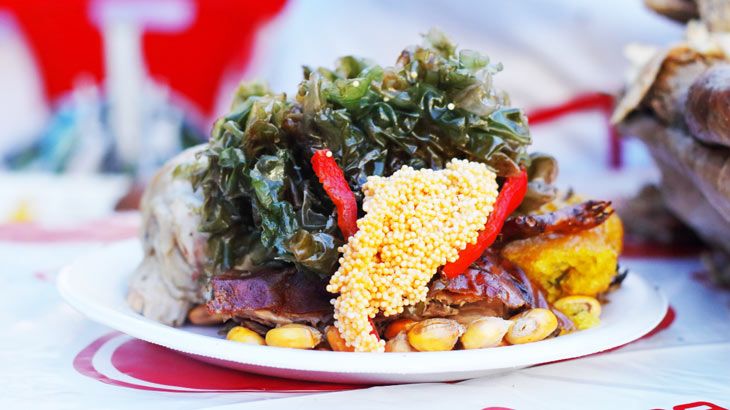
This is one of Cusco’s most representative traditional dishes. Its name comes from the Quechua words “chiri,” meaning cold, and “uchu,” meaning chili pepper. So, we could say that Chiriuchu is a “cold chili pepper.” As its name suggests, it is a typical dish that is eaten cold and is a mixture of various ingredients from the different provinces of Cusco, such as baked guinea pig, boiled chicken, fresh cheese, mountain sausage, roasted corn, seaweed or cochayuyo, charqui or chalona (beef/lamb dried with salt), rocoto peppers, and a corn tortilla or torreja made with the broth from the boiled meats.
The best way to enjoy this dish is to try a little of each ingredient, so you can discover a symphony of flavors and textures. Chiriuchu is especially popular in June, during Corpus Christi, although you can also find it in local restaurants and picanterías throughout the year.
Baked Guinea Pig
This traditional dish, passed down through generations, features guinea pig, also known as cavie. It is marinated with Andean spices such as huacatay and garlic, then slowly baked to achieve an unmatched texture and flavor.
It is usually served with baked noodles or Andean potatoes, and although trying it may be a novelty, go ahead and discover the authentic essence of Cusco in every bite.
Pork Rinds
Another must-try dish from Cusco is pork rinds. This typical dish consists of pieces of meat seasoned and fried in their own fat until they are golden brown and crispy on the outside and soft on the inside. It is served with mote, golden potatoes, and a fresh salad of onion and mint.
You can enjoy this delicacy throughout the year, preferably mid-morning or at lunchtime, so you can savor it without rushing and avoid digestive discomfort.
Adobo Cusqueño
This dish, nicknamed “levanta muertos” (dead man’s riser), is the favorite Sunday breakfast in Cusco, although its intense flavor also makes it ideal for lunch. This typical dish is prepared with pork, chicha de jora, bay leaves, rosemary, onion, rocoto peppers, and Andean spices that awaken the senses.
Served piping hot and with a touch of spice, Cusco-style adobo is accompanied by Oropesa bread, creating an irresistible contrast. If you enjoy spicy food, this dish is a must-try on your trip.
Cusco-style suckling pig
Cusco-style suckling pig is the guest of honor at celebrations and gatherings, a symbol of good fortune and tradition. This typical dish is prepared using ancestral techniques: the pork is marinated overnight in salt, pepper, chili peppers, and beer or soy sauce, and then baked over a wood fire to achieve its unmistakable flavor.
This Cusco dish is usually accompanied by a tamale, boiled moraya squash, and classic Oropesa bread.
Zarza de Patitas Cusqueño
Zarza de patitas cusqueño is a local favorite, famous for its blend of authentic flavors that make it a must on any gastronomic tour of Cusco.
Available year-round, this delicious traditional dish is made with boiled pig’s trotters marinated in vinegar and local spices, mixed with julienned tomatoes, boiled potatoes, parsley, onion, and rocoto peppers, resulting in an explosion of intense and nutritious flavors.
Puchero
Puchero, or T’impu, is the culinary soul of Cusco’s carnival, a typical dish that blends history and tradition in every spoonful and celebrates the region’s most deeply rooted customs.
Timpu is enjoyed in two stages: first, a hearty dish with lamb, moraya, yucca, cabbage, peaches, carrots, and chickpeas, all boiled to perfection; then, a comforting broth that nourishes the body and surprises the palate.
Quinoa Soup
Quinoa soup stands out for its nutritional value and the unmistakable flavor of quinoa. It is the perfect companion for cold mornings or active days, as it provides energy and warmth with every sip.
Its ingredients include quinoa, beef or lamb, spinach, pumpkin, carrots, and Andean vegetables, making it a healthy and light option for any time of day.
What are the main ingredients in Cusco’s typical food?
To savor the true charm of Cusco’s cuisine, you first need to know the ingredients that make each traditional dish special. The Andean region is an agricultural treasure trove, and Cusco transforms this wealth into dishes brimming with identity and creativity.
- The potato, with more than 3,500 varieties registered in the country, has one of its main centers of origin in Cusco and is used in soups, stews, fried dishes, and side dishes.
- Corn is an essential ingredient, present in ancestral beverages such as chicha and in emblematic preparations such as pork chicharrón, which is very popular during festivities.
- Quinoa, known as the “golden grain of the Incas,” is used in recipes such as soups, salads, and even desserts. Due to its versatility in flavor, it can be paired with any dish, whether sweet or savory.
- Chili peppers and aromatic herbs, such as yellow chili, rocoto, and huacatay, provide intense aromas and distinctive flavors.
Traditional meats, including guinea pig, beef, and lamb, are prepared using techniques passed down from previous generations.
Thanks to this wide variety of ingredients, typical Cusco cuisine offers a gastronomic experience that ranges from intense and spicy flavors to delicate and highly nutritious options.
Where to typical food Cusco dishes?
For travelers, sampling traditional cuisine in its place of origin is one of life’s greatest pleasures. In Cusco, every corner offers a unique and memorable culinary experience where you can sample typical dishes.
- Festivities
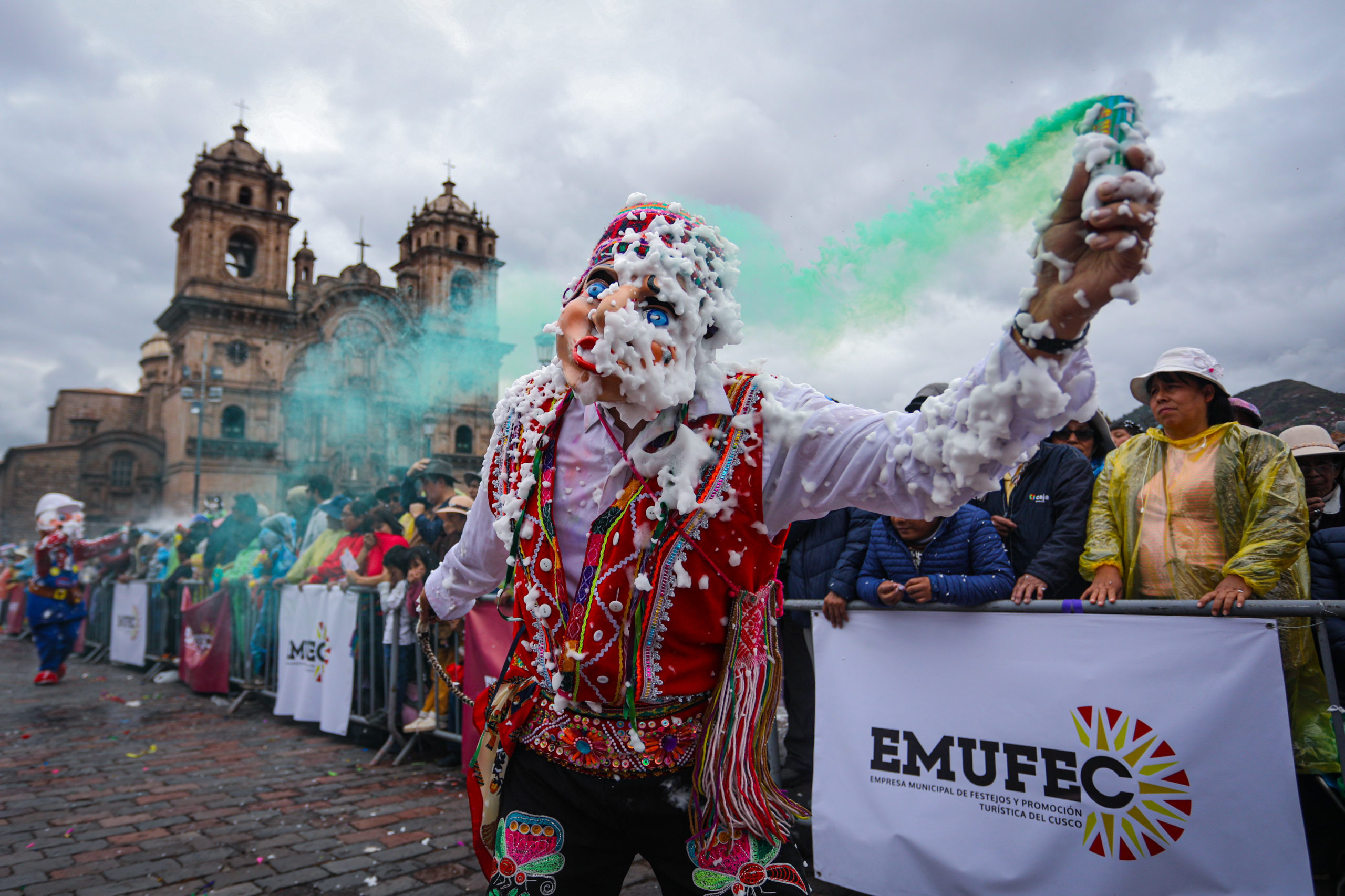
Religious celebrations and patron saint festivals are the ideal setting to savor emblematic dishes such as chiriuchu or lechón. Participating in these festivities is to immerse yourself in the living traditions of Cusco.
- Tourist Restaurants
The city offers a gastronomic variety that fuses ancestral recipes with modern techniques. In these restaurants, typical dishes are transformed into gourmet creations, perfect for those seeking a sophisticated experience.
- Traditional picanterías
Picanterías are the heart of local cuisine. Here, soups, stews, and generous dishes are served, always accompanied by chicha de jora, keeping the authentic flavors of the Andean tradition alive.
- Local markets
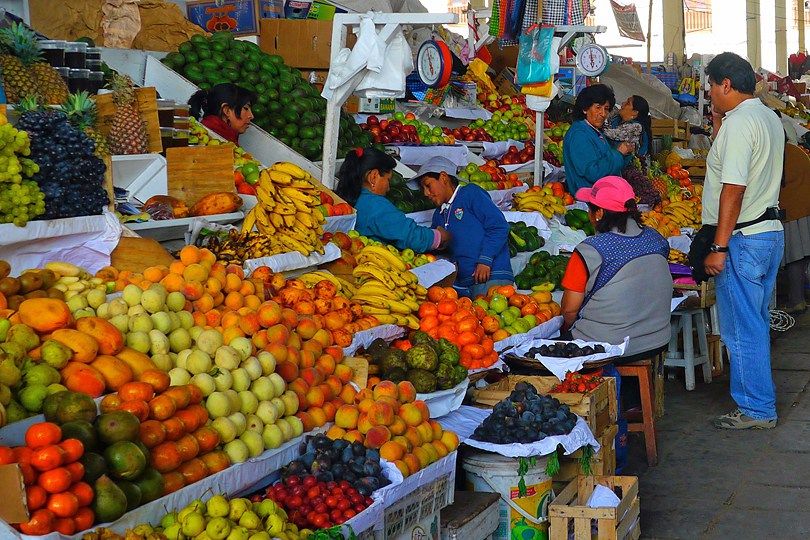
Markets are the vibrant soul of Cusco culture. The San Pedro Market, for example, invites you to try everything from traditional broths to homemade sweets at affordable prices. Eating here is discovering the most genuine essence of local cuisine.