
RAINY SEASON IN CUSCO
Are you planning to travel to the majestic city of Cusco between November and March? Don’t let the rain change your plans and make the most of this season, because, far from being a disadvantage, the rain offers a different and charming perspective of the ancient capital of the Inca Empire.
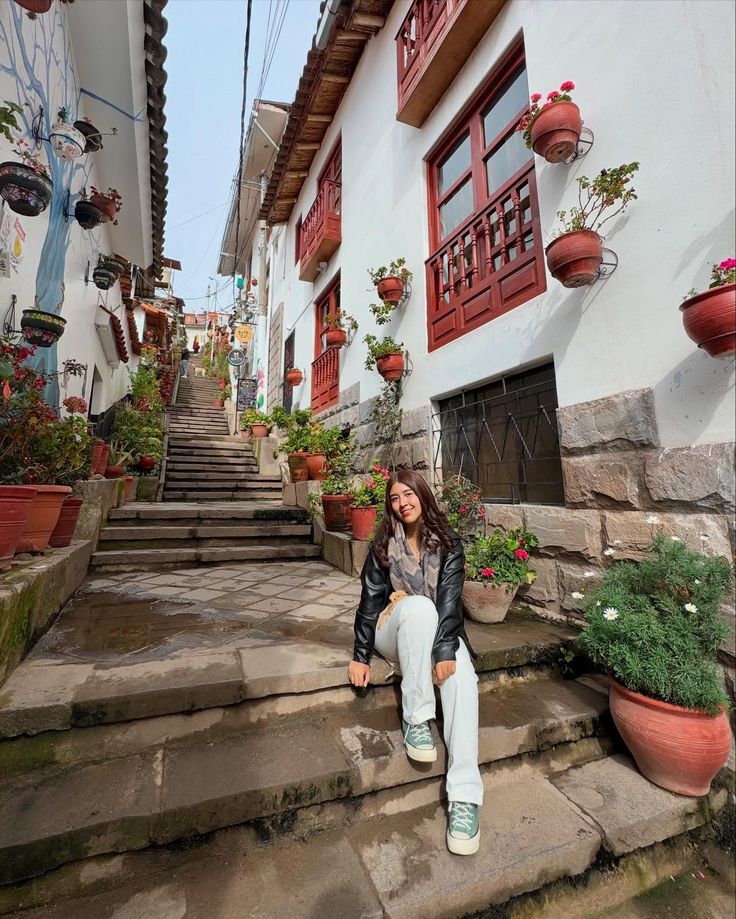
During these months, Cusco transforms: the mountains are intensely green, the cobblestone streets shine in the rain, and the city takes on a mystical, peaceful atmosphere. In addition, with fewer visitors, you can explore the main attractions with greater calm and authenticity.
In this blog, we tell you everything you need to know to enjoy Cusco during the rainy season: climate, recommended activities, advantages of traveling at this time of year, and practical tips to make your experience unforgettable.
How many seasons does Cusco have?
Unlike other cities that have four seasons (summer, fall, spring, and winter), Cusco has two well-defined seasons throughout the year:
Dry season (April to October)
- Temperatures: between 6°C and 20°C
- Characteristics: sunny days, clear skies, cold mornings and nights
- Rainfall: minimal
- Ideal for: trekking, the Inca Trail, visits to Machu Picchu, and landscape photography
This is considered the best time for outdoor activities due to the stable weather.
Rainy season (November to March)
- Temperatures: between 8 °C and 19 °C
- Characteristics: frequent rainfall, mainly in the afternoon or evening (although rain is unpredictable)
- Rainfall: high, some paths may be slippery
Although rainfall can limit certain excursions, the green landscapes, lower prices, and fewer tourists more than make up for it for many travelers.
What to do in Cusco during the rainy season?
If you visit Cusco during the rainy season, these activities are a must on your itinerary:
1. Tour the historic center
Explore the Plaza de Armas, the San Blas neighborhood, and the Qorikancha (Temple of the Sun) and enjoy the varied cuisine on offer in traditional restaurants and cafes.
2. Visit Machu Picchu
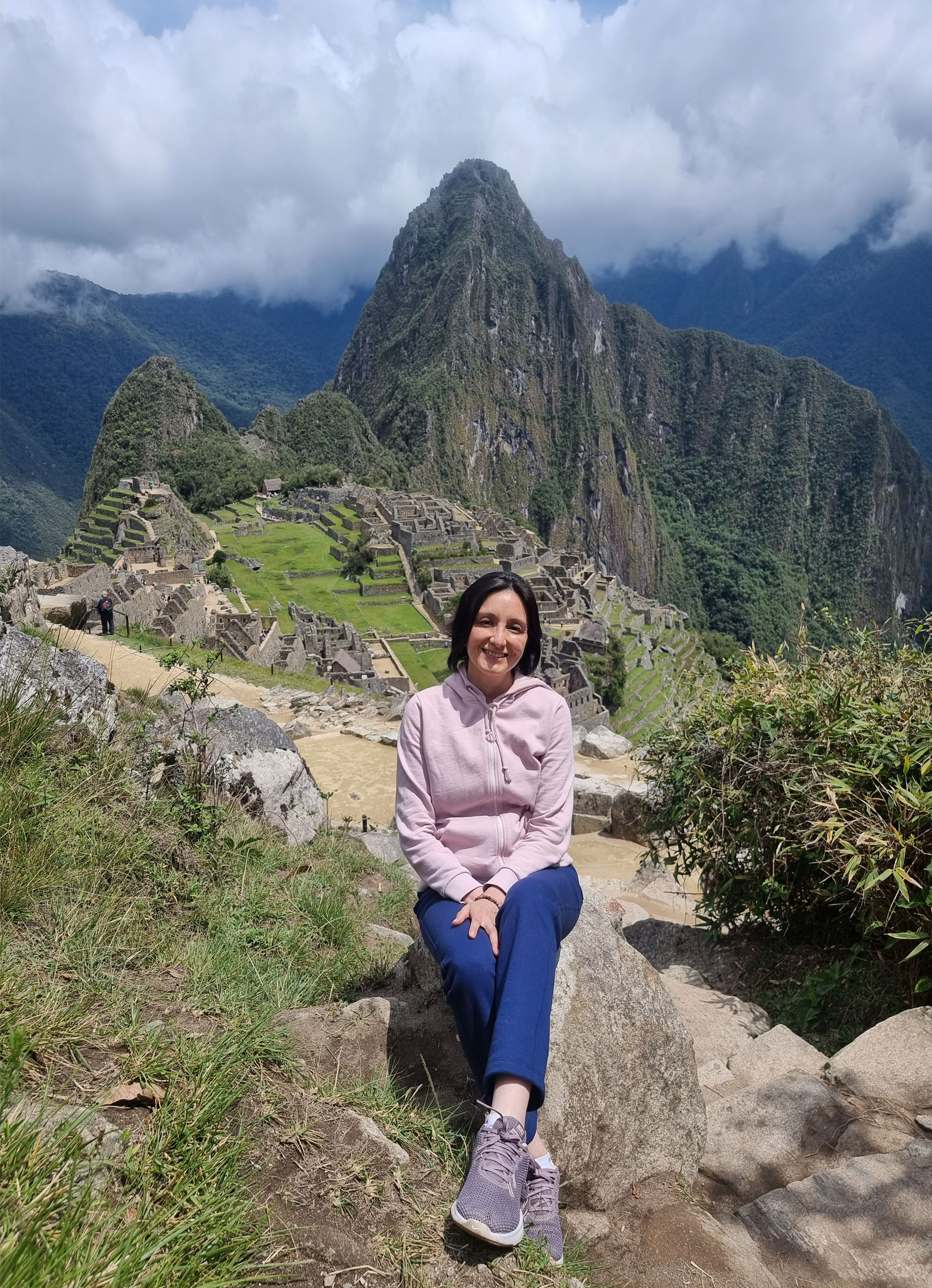
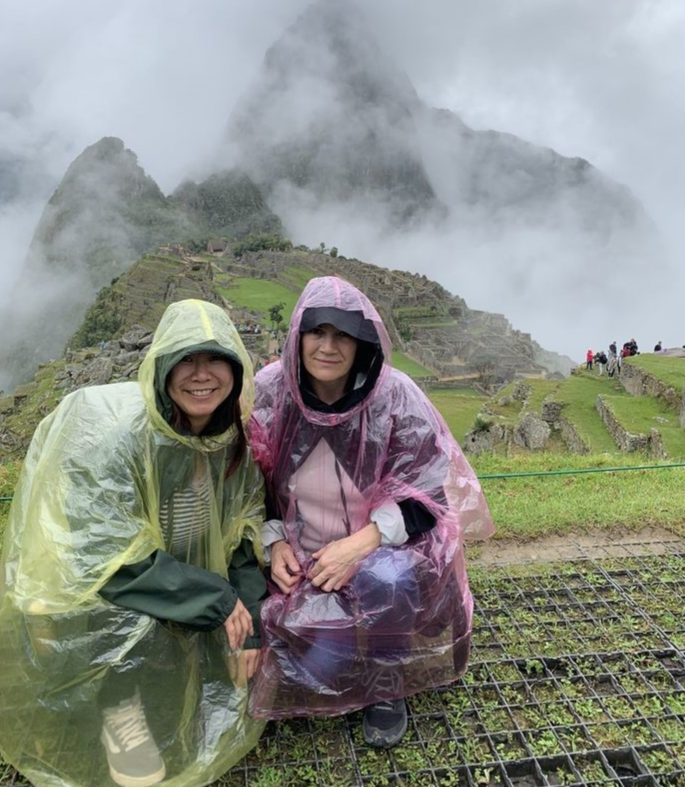
Thanks to its location in the high jungle, Machu Picchu has a pleasant climate all year round. During the rainy season, you can visit it with fewer tourists and capture unique images amid the mist, green mountains, and occasional rays of sunshine.
3. Explore the Sacred Valley of the Incas
Places like Pisac, Ollantaytambo, Maras and Moray offer an unparalleled cultural and spiritual experience, especially when the landscape is at its most beautiful.
4. Visit fairs and craft markets
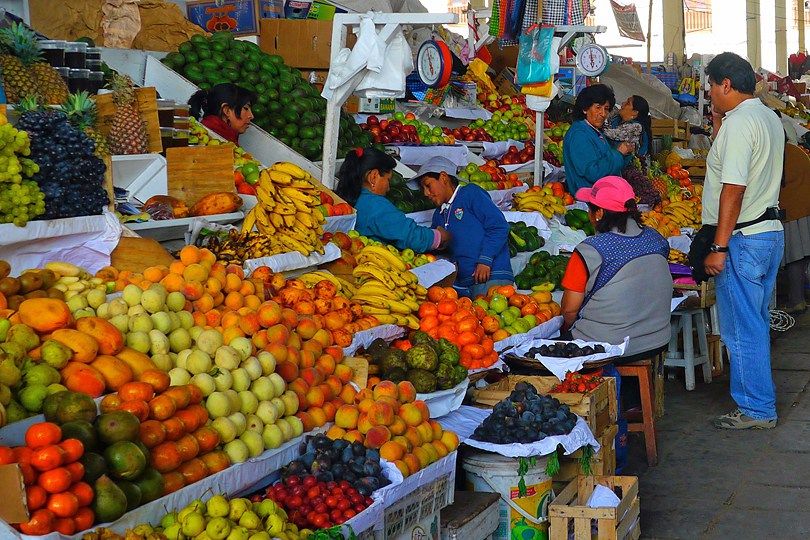
Local markets are perfect for discovering Andean crafts and products and trying typical foods made by local producers.
5. Visit museums
Cusco’s museums are an excellent alternative on rainy days and allow you to learn more about the history, art, and archaeology of the region.
6. Enjoy cultural shows
Throughout the year, there are traditional music and dance performances, many of them in indoor venues that are ideal for this season. A good option is the performance at the Qosqo Center for Native Art.
7. Celebrate Christmas and New Year’s Eve in Cusco
In December, the city is filled with color with traditional celebrations such as the Santurantikuy fair in the Plaza de Armas. New Year’s Eve is also celebrated intensely with music, rituals, and good wishes in the Plaza de Mayor, where thousands of visitors gather to count down and welcome the new year.
Advantages of traveling to Cusco during the rainy season
- Lush green landscapes
The Sacred Valley and Machu Picchu are at their most vibrant. The Urubamba River valley is bathed in intense green, and rainbows are a frequent sight.
- More affordable prices
As it is the low season, it is possible to find better deals on flights, hotels, and tours, allowing you to travel on a more comfortable budget.
- Fewer tourists
You can visit the main attractions without crowds, take photographs without crowds, and enjoy a more peaceful experience.
- Seasonal cuisine
This is the best time to try fresh fruits such as capulí, mango, and lucuma, as well as traditional dishes such as puchero cusqueño, capchi de habas, and other local delicacies.
- Pleasant hikes
Although it rains more heavily in February and the Inca Trail remains closed, there are short and spectacular routes that are ideal with the right preparation.
Tips for traveling to Cusco during the rainy season
- Bring waterproof and warm clothing, including a jacket, poncho, and thermal clothing.
- Wear non-slip, waterproof footwear.
- Check the weather forecast before leaving each day.
- Plan your activities with flexibility, as delays may occur due to rain.
- Book tours and accommodation in advance.
- Consider hiring a local guide, especially for visits to archaeological sites.
- Take advantage of this time of year to immerse yourself in the local culture and visit traditional villages.
- On every tour or outing you take, don’t forget to carry a rain poncho in your backpack because it can rain at any moment.
In short, traveling to Cusco during the rainy season can be a different, authentic, and deeply enriching experience. With good planning and proper preparation, you can enjoy breathtaking landscapes, fewer tourists, and a closer connection with Andean culture. Rain is not an obstacle, but an opportunity to discover the greener and more mystical side of Cusco. Without a doubt, it is a time of year worth considering for your next adventure.