
What to Wear on the Inca Trail: 2-Day and 4-Day Guide 2027
Updated November 25, 2026. Weather and access rules can change; confirm the details with your operator before you travel.
If you are wondering what to wear on the Inca Trail, the short answer is: less than you think, but in layers. On this route you can go from the cold wind of a mountain pass to the warm humidity of the cloud forest within a few hours, and a single heavy garment will not cover that.
What you wear also depends on the route. The 2-day Inca Trail is one day of hiking followed by a night in a hotel; the 4-day trek adds three nights of camping, a pass above 4,200 m (13,800 ft) and cold nights. That is why generic packing lists often fall short.
In this guide you will see what to wear on each route, how to build your layers, what changes with the season and what to leave at home.
Quick Answer: What to Wear on the Inca Trail
- Layering system: a technical T-shirt (base), a fleece (warmth) and a waterproof, windproof jacket (outer layer). Avoid cotton.
- 2-day Inca Trail: one day of hiking and a hotel night; a small pack of about 30 L with little clothing is enough, and no sleeping bag is needed.
- 4-day Inca Trail: three nights of camping; you need warm clothes for the evenings, a sleeping bag and spare dry socks.
- Always: broken-in hiking boots, a hat or cap, sunglasses, high-SPF sunscreen and rain protection.
- Season: the dry season (April to September) has colder nights; the rainy season (October to March) calls for more waterproof gear. The Inca Trail closes every February.
The Key Factor: Several Climates in One Day
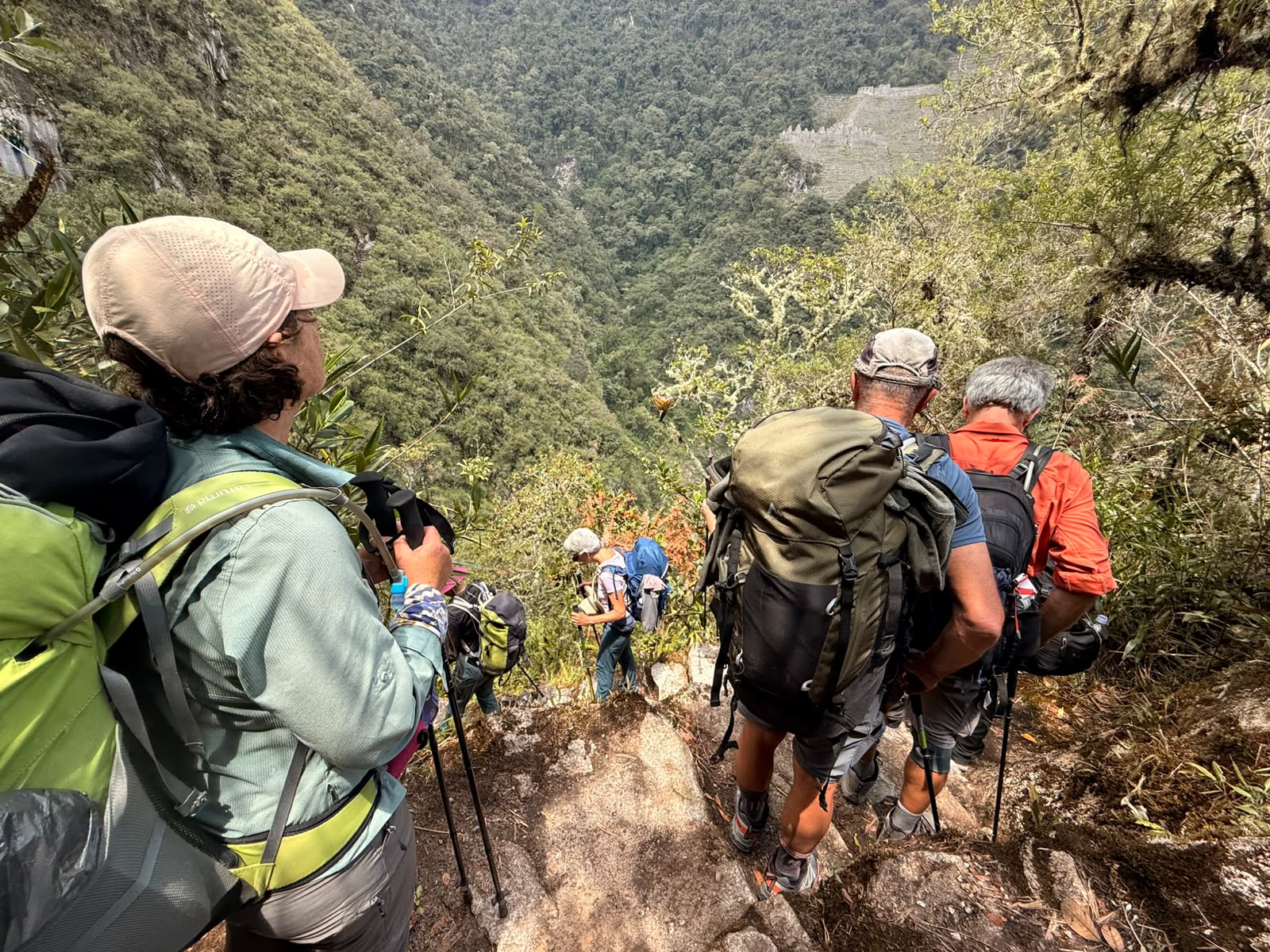
The Inca Trail does not have a single climate. On the classic route the highest point, Warmiwañusca (Dead Woman’s Pass), sits at about 4,215 m, while Machu Picchu is at about 2,430 m. That difference in elevation means the cold morning wind, the strong midday sun and the damp air of the cloud forest can all show up in the same day.
According to local operators, temperatures range from around 0 °C (32 °F) at the highest pass to about 22 °C (72 °F) at Machu Picchu, and camp nights can be very cold, especially from May to September. Above 4,000 m the UV radiation is also intense. The practical takeaway: dress in layers and add or remove pieces as the terrain changes, instead of starting out heavily bundled.
What to Wear on the 2-Day Inca Trail
On the 2-day Inca Trail with hotel you hike for one day, starting at Km 104 and passing sites such as Wiñaywayna and the Sun Gate (Intipunku) before reaching Aguas Calientes, then spend the next day on a guided visit to Machu Picchu. There is no camping and no sleeping bag, so your luggage is much lighter.
What to Pack in Your Daypack (Hiking Day)
|
Item |
Suggested |
What it is for |
|---|---|---|
| Technical short-sleeve T-shirt | 1 or 2 | Quick-drying base layer |
| Technical long-sleeve T-shirt | 1 | Sun protection and cold mornings |
| Quick-dry hiking pants | 1 | Comfort and freedom of movement |
| Light or mid-weight fleece | 1 | Warmth at dawn and in the late afternoon |
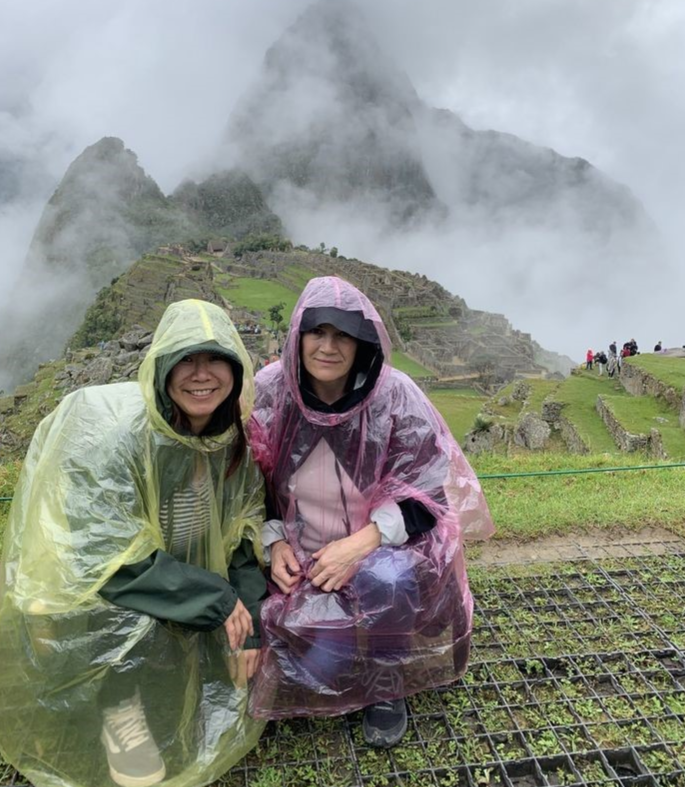
| Waterproof, windproof jacket or poncho | 1 | Rain and wind in any season |
| Hiking socks (merino wool or synthetic) | 2 pairs | Prevent blisters; carry a spare pair |
|
Cap or hat with neck cover |
1 | Strong sun at altitude |
| Hiking boots with ankle support | 1 pair |
Stone steps, climbs and descents |
For the Night in Aguas Calientes and Day 2
Arrive at Machu Picchu in comfortable, clean clothes: light pants, a short-sleeve shirt and a warm layer for the morning. If you pack extra clothes for the hotel, keep them compact, and ask your operator whether you can leave unneeded luggage in Cusco. If you prefer a private group, take a look at the private 2-day Inca Trail or the Super Sacred Valley and Inca Trail combination.
What to Wear on the 4-Day Inca Trail
On the classic 4-day Inca Trail you hike for four days and sleep three nights in camp. You cross cold highland terrain, the trek’s highest pass and warmer, wetter cloud forest. Clothing here falls into three groups: what you wear while walking, what you wear in camp and what protects you from rain.
How to Build Your Three Layers
- Base layer: technical T-shirts in polyester, merino or nylon (about 3 short-sleeve and 1 long-sleeve) and a light thermal layer for sleeping in colder months.
- Mid layer: a mid-weight fleece. A light down jacket helps in the coldest months.
- Outer layer: a waterproof, windproof jacket. A poncho also covers your pack in heavy rain.
- Legs: 2 pairs of quick-dry hiking pants; many hikers prefer convertible ones.
- Accessories: wool hat, gloves, a cap or hat with neck cover, and sunglasses.
What to Wear Each Day
| Day | What to expect | Key clothing |
|---|---|---|
| Day 1 | Gentle start at lower altitude; sun and warmth at midday | Technical T-shirt, hiking pants, cap, fleece within reach for the afternoon |
| Day 2 | The toughest day: climb to the pass at about 4,215 m, with wind and cold at the top | Base layer, fleece and windproof jacket within easy reach; hat and gloves |
| Day 3 | Descent into cloud forest, warmer and more humid | Lighter clothing, waterproof jacket for drizzle |
| Day 4 | Early start toward the Sun Gate and Machu Picchu | Warmth for dawn and comfortable clothes for the guided visit |
Camp Clothing
Once you stop walking, your body cools quickly. Change into dry clothes: a clean base layer, dry socks used only for sleeping, a wool hat and comfortable shoes or sandals so your feet can rest and your boots can air out. For sleeping, the sleeping bag matters as much as your clothes: according to local operators, a bag rated to about −10 °C (14 °F) suits the dry season, while a three-season bag is enough in the shoulder months. You can bring your own or rent one with us.
How Much to Bring: Daypack and Porter Bag
The law limits how much each porter can carry, so your operator sets a maximum for your personal bag; on many treks it is around 7 kg (15 lb) including the sleeping bag. The clothing you need during the day goes in your own 30 to 40 L pack: waterproof jacket, fleece, sunscreen, water and snacks. If you want more comfort and privacy, see the private 4-day Inca Trail.
What to Wear by Season
- Dry season (April to September): sunny days and cold nights; from May to September, lows can drop below 0 °C (32 °F). Prioritize warm layers, a hat and gloves.
- Rainy season (October to March): more rain and fog. Prioritize a waterproof jacket and pants or a poncho, plus a pack cover. Our guide to the rainy season in Cusco explains what to expect.
- February: the Ministry of Culture closes the Inca Trail every year for maintenance and rain prevention (in 2026, from January 31 to March 1). The 2027 dates still need to be confirmed.
- Any month: the Ministry of Culture can temporarily suspend access if there are heavy rains or landslides, as happened in August 2026. Even if you travel in the best time to visit Machu Picchu, keep rain protection in your pack.
Common Mistakes When Choosing Your Clothes
- Wearing cotton: jeans and cotton T-shirts hold moisture and dry slowly. Choose technical fabrics.
- Breaking in boots on the trail: test them beforehand with the socks you will wear to avoid blisters.
- Bringing one very thick garment: layers adapt better than a single heavy coat.
- Overpacking: every gram counts on long days; choose pieces that mix and match.
- Forgetting sun protection: at altitude the sun is strong even when the air is cold.
- Relying only on waterproof gloves: they may not stay fully waterproof in heavy rain; bring a spare pair.
Book Your Inca Trail with Sakura Expedition
Once you know what to wear, the next step is securing your spot: Inca Trail permits are limited and vary by date. At Sakura Expedition we run the 2-day Inca Trail and the classic 4-day Inca Trail with local guides. If you have a day to spare and want a lighter option, there is also the Inca Trail Express, 1 day. Write to info@sakuraexpedition.com or message us on WhatsApp and we will help you choose the date and route. If you also want to explore the city, our Machu Picchu 2-day tour with hotel and the Inca Trail and Salkantay Trek page are good places to start.
Frequently Asked Questions
What should I wear on the 2-day Inca Trail?
Wear layered technical clothing: short- and long-sleeve shirts, hiking pants, a fleece, a waterproof jacket, a cap and hiking boots. Because you sleep in a hotel, you do not need a sleeping bag, and a pack of about 30 L is enough.
What should I wear on the 4-day Inca Trail?
Besides the three layers, you need camp clothing: a dry base layer, a wool hat, extra socks and a sleeping bag. Plan on about 3 short-sleeve shirts, 1 long-sleeve shirt, 2 pairs of pants and at least 4 pairs of socks.
Is the Inca Trail cold at night?
Yes, especially when camping in the dry season, from May to September, when lows can fall below 0 °C (32 °F). Bring a wool hat, dry sleepwear and a sleeping bag suited to the season.
Can I wear jeans or sneakers?
It is not recommended. Jeans hold moisture, and street sneakers give little support on stone steps. Wear technical pants and broken-in hiking boots with ankle support and a rubber sole.
How much clothing can I send with the porter?
It depends on the limit your operator sets; on many treks it is around 7 kg (15 lb), including the sleeping bag. Confirm the exact weight when you book and carry what you need during the day in your own pack.
Is a poncho or a rain jacket better?
The ideal outer layer is a waterproof, windproof jacket. A poncho is a good addition in heavy rain because it also covers your pack.
Can I rent gear instead of buying it?
Yes. With Sakura Expedition you can rent a sleeping bag and trekking poles. Technical clothing and boots are best brought from home, already tested.